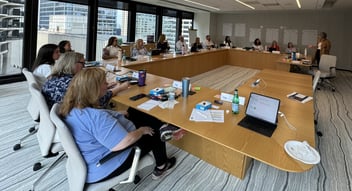
Business meetings are evolving. The traditional boardroom is no longer the default setting for every planning session, leadership retreat, sales kickoff, or company-wide event. More organizations are choosing strategic meetings that combine clear business goals with purposeful environments designed to inspire focus, collaboration, and connection.
A strategic meeting is not simply a meeting held in a different location. It is a thoughtfully planned experience built around a specific objective, whether that means aligning leadership, energizing a sales team, strengthening company culture, launching a new initiative, or creating space for big-picture planning.
When planned well, offsite strategic meetings can help teams step away from everyday distractions, think more creatively, and return with stronger alignment.
Here is why more companies are investing in strategic meetings and how SDI helps create experiences that move business goals forward.
1. Fresh Settings Can Fuel Better Thinking
One of the biggest benefits of a strategic meeting is the ability to remove teams from their usual environment. When employees step away from daily routines, inboxes, internal distractions, and familiar office patterns, they often have more space to think clearly and creatively.
A new setting can help teams:
- Approach challenges from a fresh perspective
- Focus more deeply on the meeting objective
- Collaborate without everyday workplace distractions
- Engage more fully in strategic conversations
- Reconnect with the larger goals of the organization
Whether the setting is a vibrant city, a quiet resort, a mountain retreat, or a coastal property, the location should support the purpose of the meeting. The goal is not just to go somewhere different. The goal is to create the right environment for the work that needs to happen.
For leadership teams, that may mean a calm and private setting for future planning. For sales teams, it may mean an energetic destination that builds momentum before a new quarter. For company-wide meetings, it may mean a location that makes attendees feel valued, included, and inspired.
2. Strategic Meetings Strengthen Engagement and Connection
In-person meetings give teams something that virtual meetings often cannot fully replicate: shared experience. When attendees travel, gather, eat, learn, and participate together, they build relationships that can strengthen collaboration long after the meeting ends.
Strategic meetings can create opportunities for:
- Team-building activities
- Leadership development
- Cross-department collaboration
- Recognition and celebration
- Shared cultural or local experiences
- More meaningful conversations outside formal sessions
These moments matter because business outcomes are often tied to how well people communicate, trust one another, and work together. A well-planned strategic meeting can help attendees feel more connected to their teams and more invested in the organization’s goals.
For example, a company may pair a morning strategy session with an afternoon team-building activity, a curated local dinner, or a guided cultural experience. These elements are not just extras. When aligned with the meeting’s purpose, they can help reinforce the message, strengthen relationships, and make the experience more memorable.
3. The Location Should Support the Strategy
Not every location is the right fit for every meeting. A successful strategic meeting begins with the objective and works backward from there.
Before selecting a venue or destination, companies should consider questions such as:
- What is the primary goal of this meeting?
- Who needs to attend?
- What type of environment will support focus and participation?
- Will attendees need breakout rooms, presentation space, or private meeting areas?
- Should the setting feel energizing, relaxing, exclusive, collaborative, or celebratory?
- What travel logistics need to be considered?
A sales kickoff, executive retreat, board meeting, incentive-style gathering, and training event all require different planning considerations. The meeting location, venue layout, agenda flow, accommodations, meals, transportation, and attendee experience should all support the desired outcome.
This is where experienced planning makes a significant difference. SDI helps organizations align venue selection, destination strategy, logistics, and attendee experience with the larger business purpose behind the meeting.
4. Wellness and Productivity Can Work Together
Today’s employees increasingly value experiences that recognize the connection between well-being and performance. Strategic meetings give companies an opportunity to build wellness into the agenda without losing sight of business goals.
Wellness-focused elements may include:
- Morning movement or fitness activities
- Outdoor experiences
- Mindful breaks between sessions
- Healthy meal options
- Spa or relaxation opportunities
- Time for informal networking and recharge
- Balanced agendas that avoid attendee fatigue
When wellness is planned intentionally, it can help attendees feel more energized, present, and engaged. The goal is not to turn a business meeting into a vacation. The goal is to design a meeting experience that supports both productivity and attendee well-being.
A balanced agenda can help teams stay focused during working sessions while also giving them time to reset, connect, and absorb key takeaways.
5. Seamless Planning Makes the Experience More Effective
Strategic meetings often involve many moving parts. Even a small offsite meeting can require coordination across travel, venues, technology, meals, transportation, budgeting, registration, agenda design, attendee communications, and onsite support.
Common planning needs include:
- Destination and venue sourcing
- Contract negotiation
- Budget management
- Air and ground transportation
- Hotel room blocks
- Meeting space setup
- Food and beverage planning
- Technology and presentation support
- Team-building or cultural activities
- Onsite staffing and attendee support
For internal teams, managing all of these details can quickly become overwhelming. A strategic meeting should feel seamless for attendees, but that requires careful planning behind the scenes.
SDI provides end-to-end support to help organizations plan and execute meetings with confidence. From sourcing and logistics to agenda support and onsite management, SDI helps ensure each detail supports the meeting’s purpose.
6. The ROI Goes Beyond the Meeting Room
The value of a strategic meeting should not be measured only by what happens during the scheduled sessions. The real impact often continues after attendees return home.
A well-designed strategic meeting can help companies achieve outcomes such as:
- Stronger leadership alignment
- Improved team morale
- Clearer communication
- Greater employee engagement
- Renewed motivation
- Stronger collaboration across departments
- Better understanding of company priorities
- A more memorable connection to organizational goals
When teams leave with clarity, energy, and shared momentum, the meeting can continue to influence performance, culture, and business growth.
This is why strategic meetings should be planned with both the immediate agenda and the long-term impact in mind. The location, format, activities, and attendee experience should all connect back to what the organization wants people to think, feel, and do after the meeting.
Why Choose SDI for Strategic Meetings?
SDI designs and manages strategic meetings, corporate incentive travel, group travel programs, and executive retreats for organizations across the globe. With deep experience in corporate travel planning and a trusted international partner network, SDI helps companies create customized meeting experiences that support business goals and strengthen employee engagement.
SDI’s strategic meeting planning services may include:
- Destination sourcing and venue selection
- Budgeting and planning support
- Travel coordination for attendees
- Agenda and experience design
- Special event planning
- Team-building and cultural activity integration
- Onsite event management
- Post-event support
Every meeting is different, and every organization has unique goals. SDI works closely with clients to understand the purpose behind the event and create a meeting experience that is thoughtful, seamless, and strategically aligned.
Make Your Next Meeting More Strategic
The most effective meetings do more than bring people together. They create clarity, build connection, and move business priorities forward.
Whether you are planning a leadership retreat, sales kickoff, executive meeting, client event, or company-wide gathering, a strategic meeting can help your team step away from daily distractions and focus on what matters most.
With SDI as your planning partner, your next meeting can become more than an offsite event. It can become a purposeful experience designed to inspire collaboration, support your goals, and create lasting impact.
Contact SDI to start planning your next strategic meeting.
Frequently Asked Questions About Strategic Meetings
What is a strategic meeting?
A strategic meeting is a purposefully planned business meeting designed around a specific organizational goal. This may include leadership alignment, sales planning, team development, employee engagement, client relationship building, or long-term business planning. Strategic meetings often take place offsite so attendees can focus, collaborate, and engage without everyday workplace distractions.
How is a strategic meeting different from a regular business meeting?
A regular business meeting may focus on updates, decisions, or routine communication. A strategic meeting is planned with a broader objective in mind. It typically includes intentional agenda design, carefully selected meeting environments, attendee experience planning, and activities that support larger business goals.
Why do companies hold strategic meetings offsite?
Companies hold strategic meetings offsite to help teams step away from daily distractions, encourage fresh thinking, strengthen relationships, and create a more focused environment. An offsite setting can support creativity, collaboration, leadership planning, and employee engagement when the location and agenda are aligned with the meeting’s goals.
What types of events can be considered strategic meetings?
Strategic meetings can include leadership retreats, executive meetings, sales kickoffs, board meetings, training programs, client meetings, employee engagement events, team-building retreats, and company-wide planning sessions. The defining factor is not the format, but whether the meeting is designed to support a clear business objective.
How can SDI help plan a strategic meeting?
SDI helps organizations plan strategic meetings by supporting destination sourcing, venue selection, budgeting, travel coordination, agenda planning, attendee experiences, special events, onsite logistics, and post-event support. SDI works with each client to align the meeting experience with the organization’s goals.